Title: How to Choose Suitable Foodbags for Food Storage & Retail Packaging
Meta Description: Choosing proper foodbags matters for food safety and shelf life. Learn about material types, barrier features and eco-friendly options for bakery, snacks and fresh food.
If you run a bakery, small snack shop, farm market or food wholesale business, packaging is one detail that shapes product quality. Many operators focus on food recipes and flavor, while overlooking the impact of foodbags. The right foodbags keep contents safe from moisture, grease and contamination, while poorly matched bags may shorten shelf life or create safety risks.
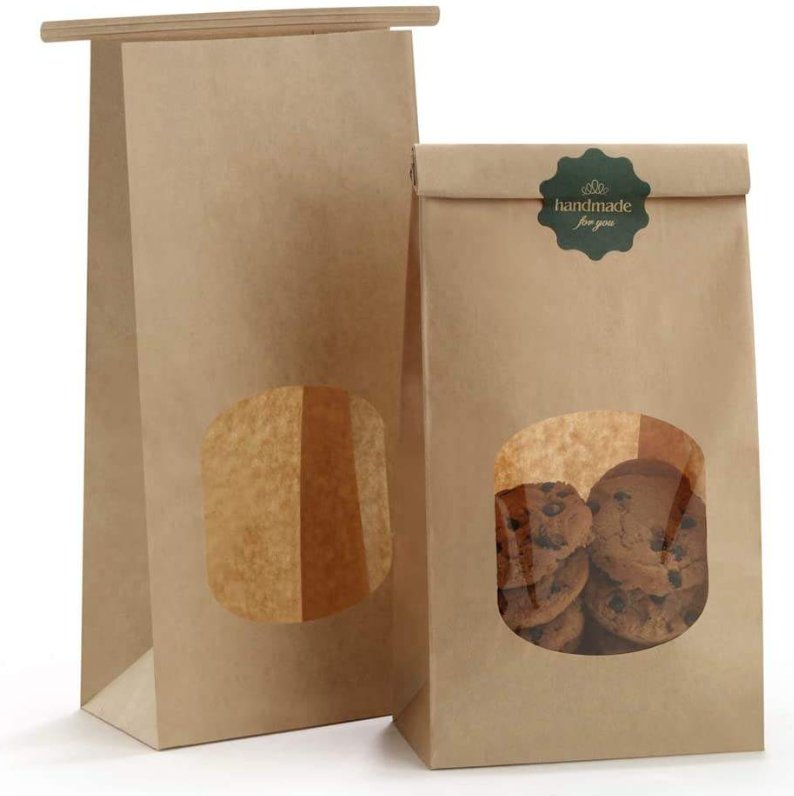
Foodbags are not one-size-fits-all. Different foods require different material properties. Dry goods such as nuts, dried fruits and coffee beans need bags with good oxygen and moisture barriers. For oily pastries and fried snacks, grease-resistant foodbags are the practical choice to avoid oil leakage. Fresh produce and ready-to-eat meals often require materials that comply with strict food-contact standards.
When evaluating foodbags, food-grade certification should always come first. Reliable foodbags are made with raw materials free of harmful additives and strange odors, suitable for direct contact with food. Before placing bulk orders, it is helpful to check relevant test reports for the materials you plan to use.
Sealing structure is another key point for foodbags. Heat-sealed foodbags offer better protection for long-term storage. Resealable zipper foodbags work well for products that customers may not finish in one serving. This simple design helps retain original taste and texture after opening, which improves user experience.
Sustainability has become a common consideration for food brands when selecting foodbags. Recyclable and compostable foodbags are widely available today. These options fit well with organic shops and local farm markets, and align with the growing demand for low-waste packaging. Lightweight foodbags also help control logistics weight without sacrificing basic protective performance.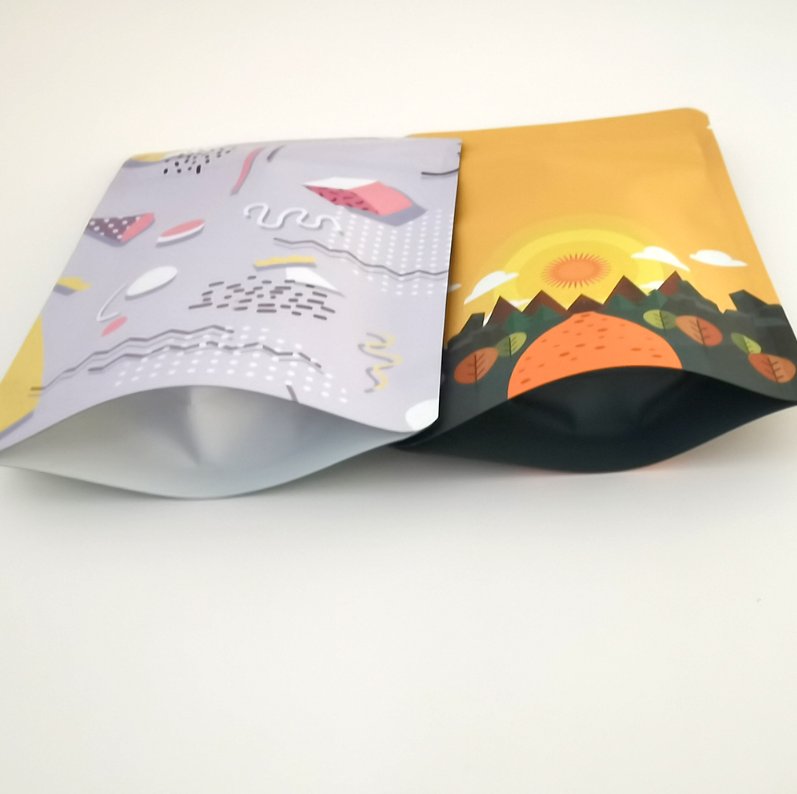
Custom printing is a secondary feature of food bags. Many sellers add logos, product descriptions or QR codes on the surface of foodbags. Window-style foodbags are popular for baked goods, allowing buyers to see the items inside clearly. Flexible sizing covers small sample pouches up to large bulk foodbags for grains and spices.
Common use scenarios for foodbags cover many daily food categories: bread and cookies, packaged snacks, tea and coffee, dried meat, fresh vegetables, and takeaway food. There is no universal best type of foodbags. The ideal option depends on your product, storage temperature, transport conditions and target customers.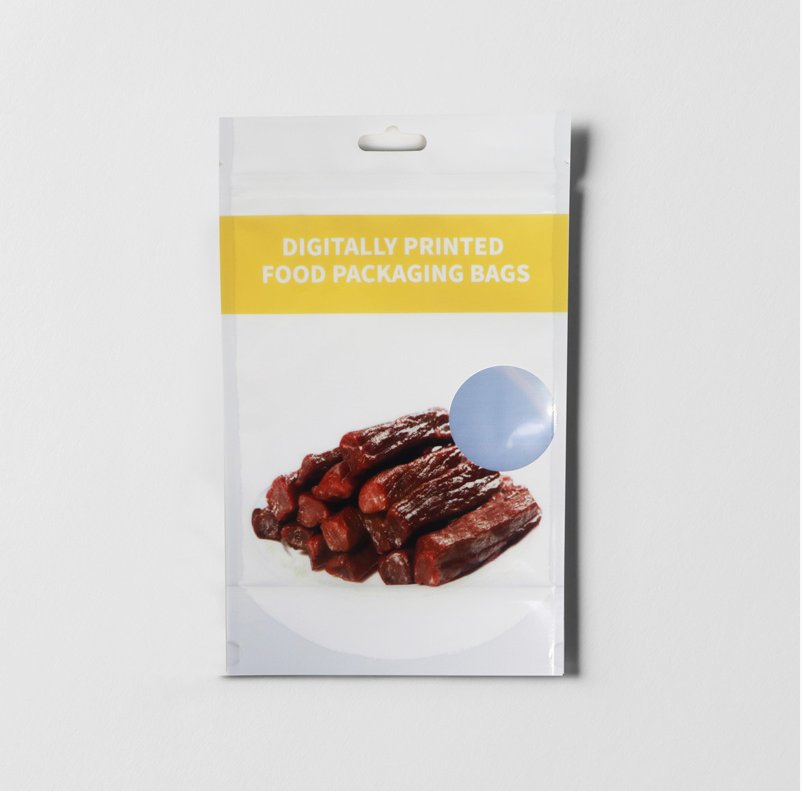
Before settling on a supplier for foodbags, it is recommended to test samples first. You can check toughness, sealing performance and barrier effects under your actual storage environment. Comparing different materials helps you avoid mismatched packaging that may cause unnecessary losses.
Good foodbags are a quiet support for your food business. They protect freshness, maintain food safety and match your brand positioning. Taking time to compare specifications and materials will help you find foodbags that fit your long-term packaging needs.