Kraft Paper Plastic Bags: Combining Natural Appearance with Reliable Packaging Performance
In today's food packaging industry, appearance and functionality are equally important. Many food brands are looking for packaging that reflects a natural, simple aesthetic while still providing the protection needed to maintain product quality.
This is one reason why kraft paper plastic bags have become a practical packaging option across different food industries. By combining the familiar appearance of kraft paper with the functional properties of plastic film, this packaging solution offers a balance between visual appeal, flexibility, and product protection.
But what exactly makes kraft paper plastic bags suitable for food packaging, and what should businesses consider when choosing them?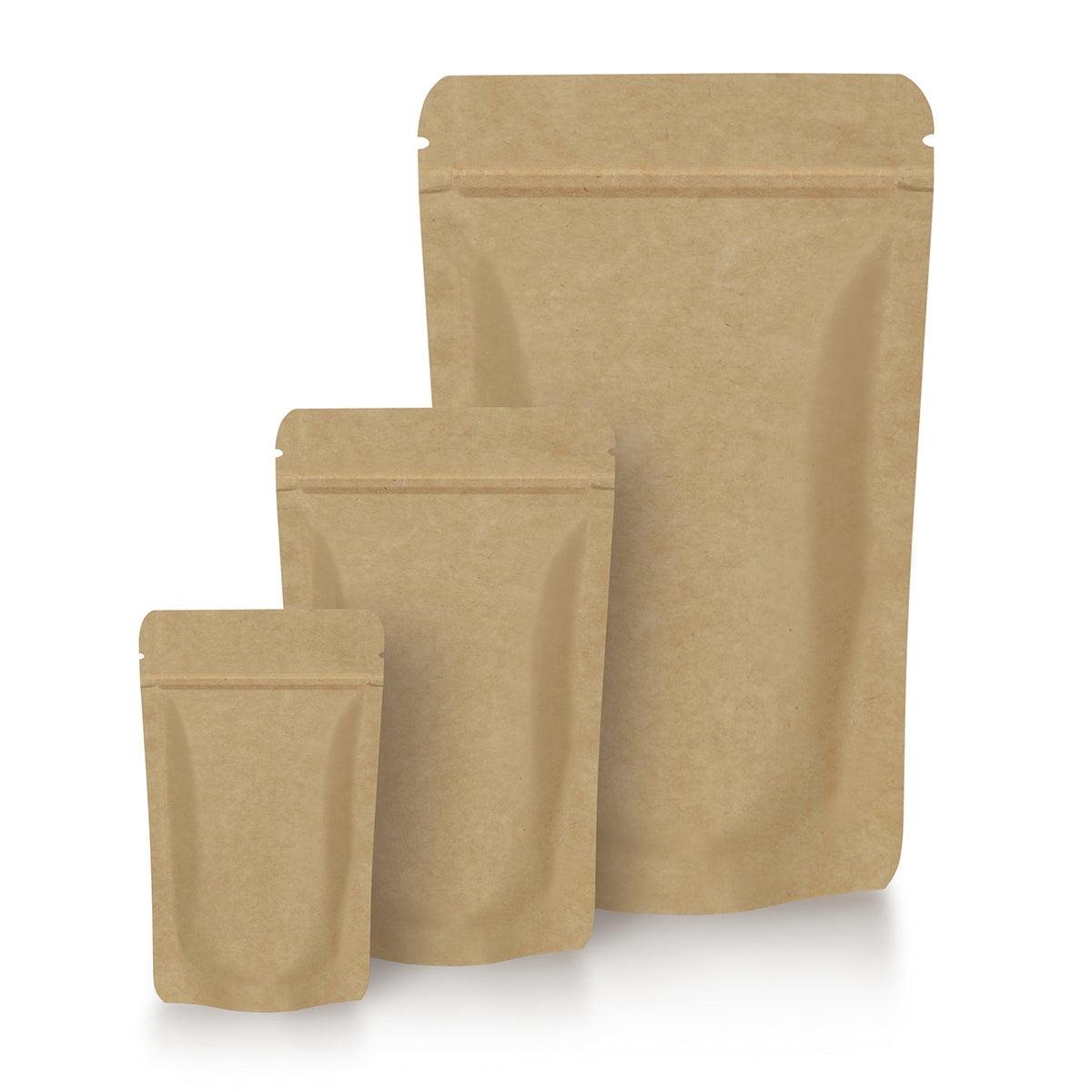
1. What Are Kraft Paper Plastic Bags?
Kraft paper plastic bags are flexible packaging products made by combining kraft paper with one or more layers of plastic film.
Unlike traditional paper bags, which may have limited resistance to moisture and grease, kraft paper plastic bags use a laminated structure to provide additional protection.
The kraft paper layer gives the package its natural appearance and a paper-like texture, while the inner plastic layers can help protect the contents from moisture, air, grease, and other external factors, depending on the material structure.
Common material combinations include:
Kraft Paper + PE: Often used for products requiring moisture resistance and flexible sealing.
Kraft Paper + PET + PE: Provides additional strength and structural stability for various food packaging applications.
Kraft Paper + Aluminum Foil + PE: Suitable for products requiring stronger light, oxygen, and moisture barriers.
Kraft Paper + Metallized Film: Offers enhanced barrier properties and a distinctive packaging appearance.
The appropriate structure depends on the product, storage conditions, shelf-life requirements, and packaging process.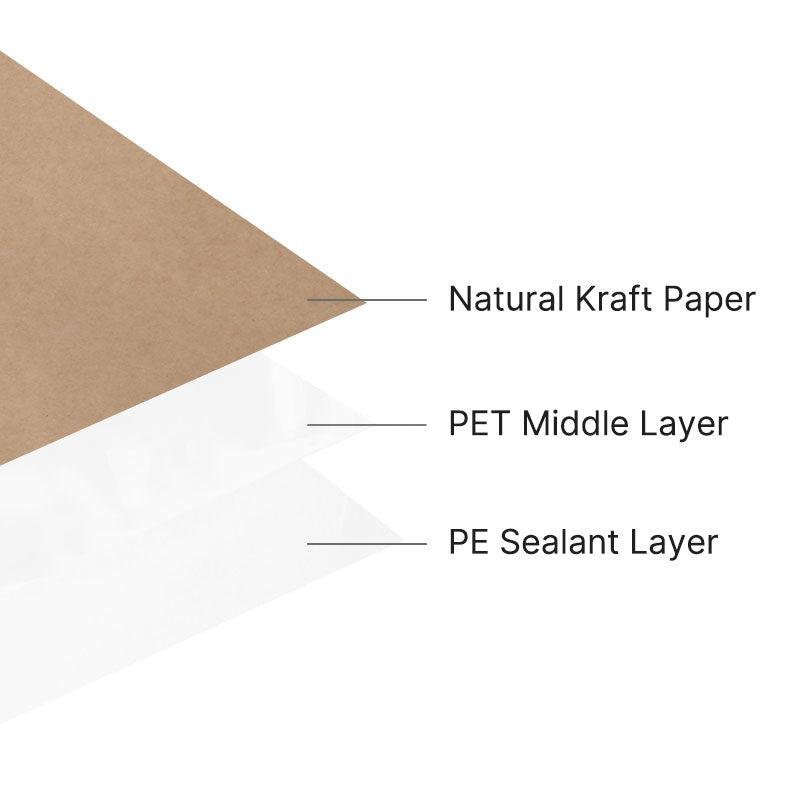
2. Common Applications of Kraft Paper Plastic Bags
Kraft paper plastic packaging is used in a variety of food-related industries. Its combination of appearance and functionality makes it suitable for both retail and bulk packaging.
Coffee and Tea Packaging
Coffee and tea products often require packaging that helps preserve aroma and protect against moisture and oxygen.
Kraft paper laminated with high-barrier materials can provide an attractive exterior while supporting the protection requirements of these products.
Bakery and Snack Packaging
Cookies, biscuits, nuts, dried fruits, and other snacks are commonly packaged in flexible pouches.
Depending on the product's requirements, kraft paper plastic bags can be designed with different barrier levels, sealing methods, and sizes.
Frozen Food Packaging
Frozen food packaging needs to withstand low-temperature storage and handling conditions.
Suitable laminated structures can provide flexibility and resistance to moisture while helping protect the packaged products during transportation and storage.
Powdered Food and Dry Ingredients
Products such as flour, protein powder, spices, and food ingredients often require packaging with reliable sealing performance.
Kraft paper plastic bags can be customized according to filling methods, product weight, and storage requirements.
3. Why Choose Kraft Paper Plastic Bags?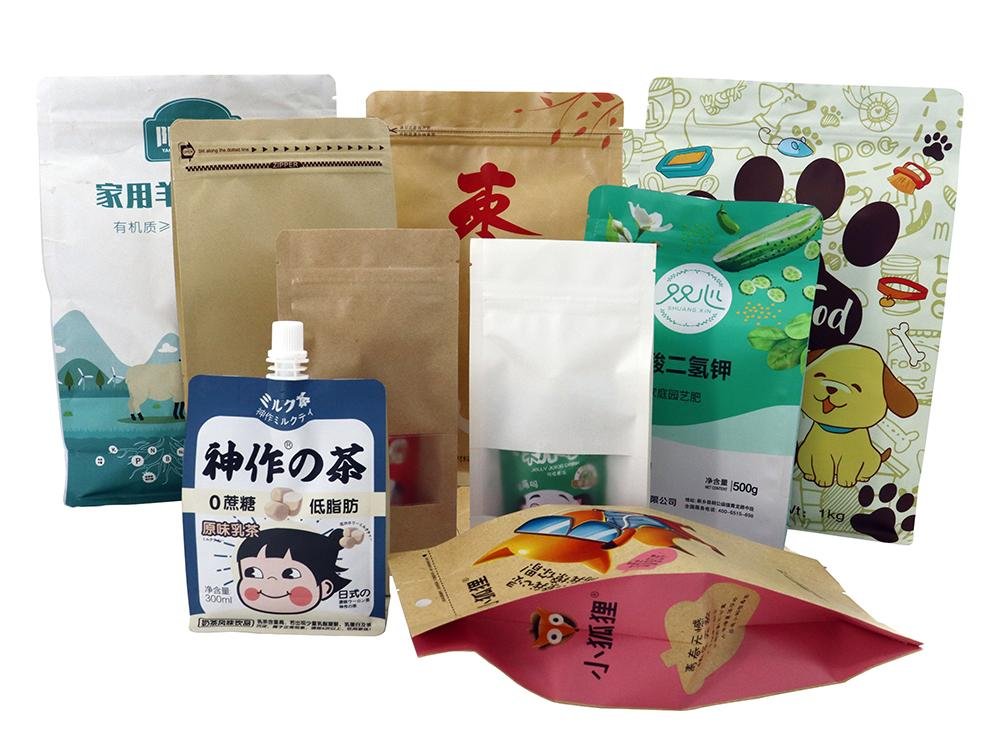
There are several reasons why food manufacturers and packaging buyers consider this packaging format.
A Natural and Distinctive Appearance
Kraft paper provides a simple, natural-looking surface that works well with minimalist branding and food products positioned around traditional or natural ingredients.
Flexible Barrier Options
The laminated plastic layers can be selected according to specific product requirements. This allows manufacturers to balance moisture resistance, oxygen protection, grease resistance, and other packaging properties.
Customizable Packaging Structures
Kraft paper plastic bags are available in different sizes, thicknesses, material combinations, and bag styles. Printing, zipper closures, tear notches, and other features can also be incorporated depending on the design.
Suitable for Different Packaging Requirements
From small retail pouches to larger food ingredient bags, the structure can be adjusted to suit different filling equipment, transportation conditions, and storage environments.
It is worth noting that kraft paper plastic bags are composite materials. They should not automatically be considered recyclable or biodegradable. Their environmental performance depends on the specific material combination and the recycling facilities available in the target market.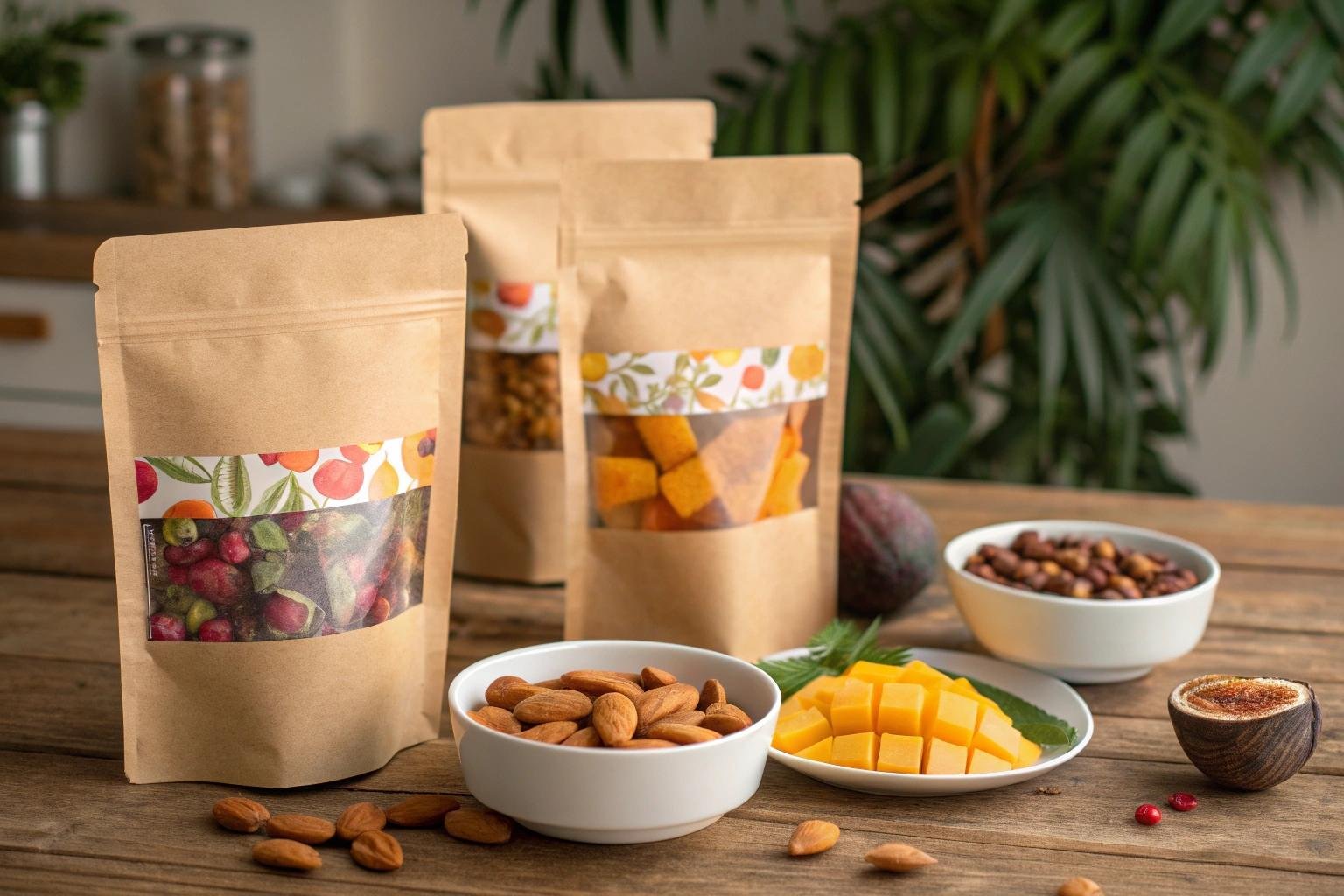
4. What Should You Consider Before Ordering?
Choosing the right kraft paper plastic bag involves more than selecting a suitable size or printing design.
Several technical factors should be evaluated before production.
1. Product Characteristics
Is the product dry, oily, frozen, or moisture-sensitive? Different products require different barrier properties.
2. Material Structure
The combination of kraft paper and plastic film should be selected according to the required protection level, durability, and packaging conditions.
3. Bag Style and Sealing Method
Flat pouches, stand-up pouches, side-gusset bags, and other formats serve different packaging purposes. The correct sealing method is also important for maintaining package integrity.
4. Printing Requirements
The printing process should match the desired appearance, artwork complexity, and order quantity. Both natural kraft finishes and customized printed designs are possible.
5. Food Contact Compliance
For food packaging applications, buyers should confirm that the materials, inks, and adhesives meet the applicable food-contact requirements in their destination markets.
Testing documents and compliance information should be evaluated according to the actual packaging structure and intended use.
5. Custom Kraft Paper Plastic Bags for Different Food Products
There is no single material structure suitable for every food product.
For example, a bakery product may require grease resistance, while coffee packaging may need stronger oxygen and moisture barriers. Frozen food packaging has different requirements again.
This is why packaging specifications should be developed around the product rather than simply choosing a standard bag.
At Huakang Packaging, we understand that different food manufacturers have different packaging requirements.
We work with customers to consider material combinations, bag dimensions, printing options, and functional features based on their products and intended applications.
Whether you are looking for kraft paper laminated pouches for snacks, coffee, bakery products, or other food applications, selecting the right structure is an important step toward achieving consistent packaging performance.
6. Final Thoughts
Kraft paper plastic bags offer a practical combination of natural-looking presentation and flexible packaging performance.
Their suitability depends largely on the choice of materials, the product being packaged, and the conditions under which the package will be stored and transported.
For food manufacturers, distributors, and packaging buyers, understanding these factors can help make the packaging selection process more efficient and avoid unnecessary material costs.
The best packaging solution is not necessarily the one with the most layers, but the one that provides the right level of protection for the product.
Looking for a suitable kraft paper plastic bag structure for your food products? Understanding your product requirements is a good place to start.
For businesses exploring different flexible packaging options, Huakang Packaging also offers a range of custom flexible packaging solutions and flexible packaging pouches for various food applications. From kraft paper laminated bags to stand-up pouches and other customized food packaging formats, choosing the right packaging structure can help meet specific product protection and presentation requirements.