Roll Film for Flexible Packaging: A Practical Guide to Rollstock Film
When people hear “roll film”, many first think of analogue photography. Within flexible packaging, however, roll film means something quite different: a continuous web of laminated or single-layer flexible film wound onto a core, ready to feed into automatic packaging lines. Often called rollstock, this material quietly powers a huge share of modern packaged goods, balancing production speed, product protection and brand presentation all at once. It works seamlessly alongside finished packaging formats such as Food Bags, Pet Food Bag, Retort Bag, Washing packaging, Kraft Paper Plastic Bag and Medicine Bag, giving buyers a complete toolkit for different filling and shelf requirements.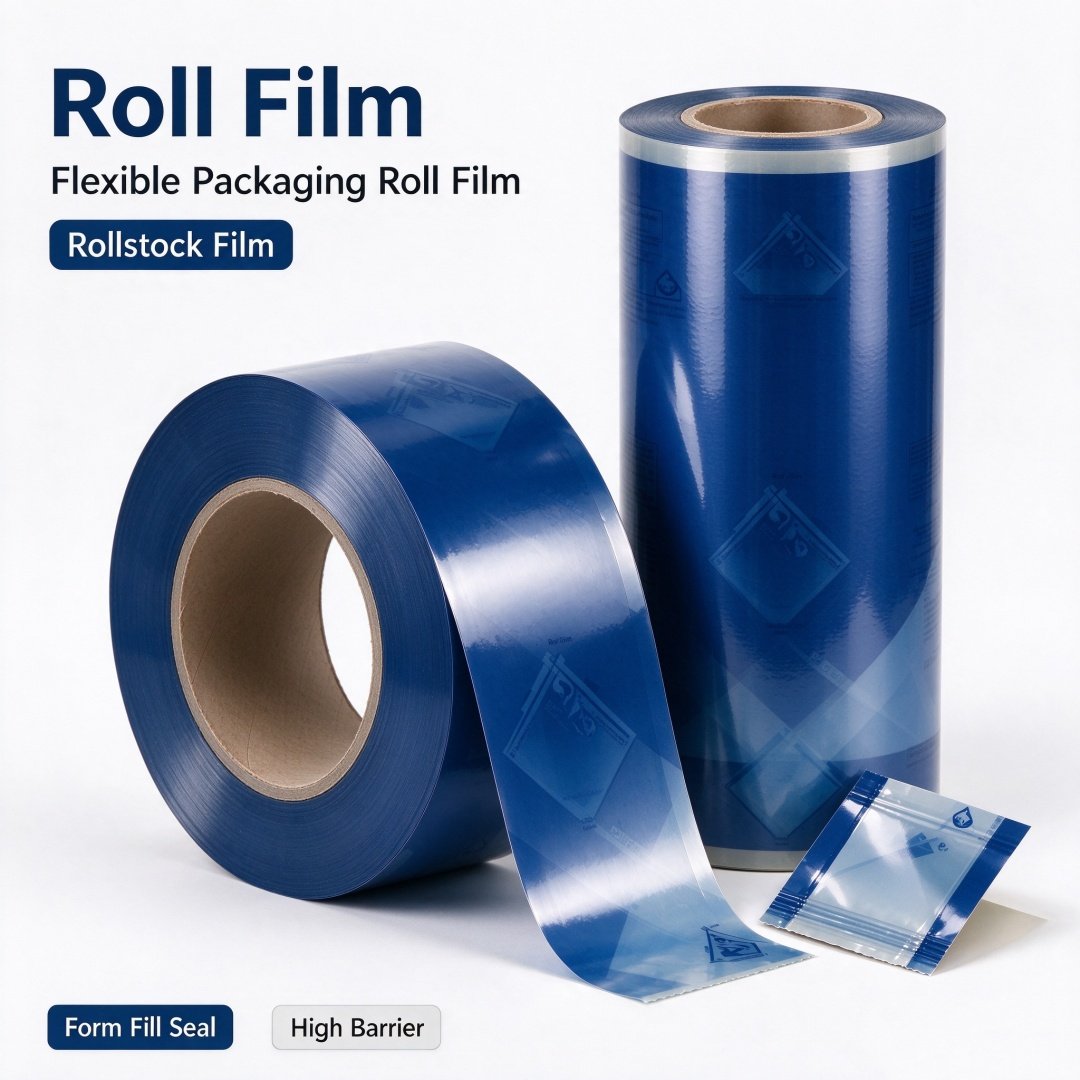
Unlike pre-made pouches or sachets that arrive fully formed, packaging roll film becomes a package only on the filling line. VFFS and HFFS machines unwind the web, shape it, fill it with product and heat-seal it in one continuous workflow. That simple difference creates meaningful advantages for growing brands and large manufacturers alike. Less storage space is tied up with finished empty pouches; material waste tends to stay lower; and per-unit packaging cost can become much more competitive at scale. Many customers will start with Roll Film for high-volume runs while ordering ready-made pouches for small-batch or premium SKUs.
The performance of roll film comes down to its film structure. Common constructions combine PET, BOPP, CPP, PE, nylon, or metalised layers, sometimes with EVOH for enhanced barrier. Each layer carries a clear job: the outer layer holds printed artwork and stands up to handling; middle layers block oxygen, moisture, light and aroma migration; the inner sealant layer delivers consistent heat sealing against powders, granules, liquids or dry goods. For coffee or nut products, high-barrier roll film locks in flavour and extends shelf life. For frozen goods, tougher laminated structures resist cracking at low temperatures. For everyday snacks, simpler transparent or printed rolls keep the economics gentle and predictable, matching the same food-safe standards used for our Food Bags.
Custom printing is one of its most valued features. Modern rotogravure and digital printing on roll film can carry sharp branding, ingredient lists, barcodes and decorative artwork across thousands of continuous metres. Because the design repeats along the web, brands can keep a unified visual identity without switching formats mid-run. Plain unprinted roll film remains popular too, for private label, inner protective layers or businesses that want to add branding at a later stage. The same printing capability also applies to our Kraft Paper Plastic Bag, blending natural kraft texture with functional plastic lamination.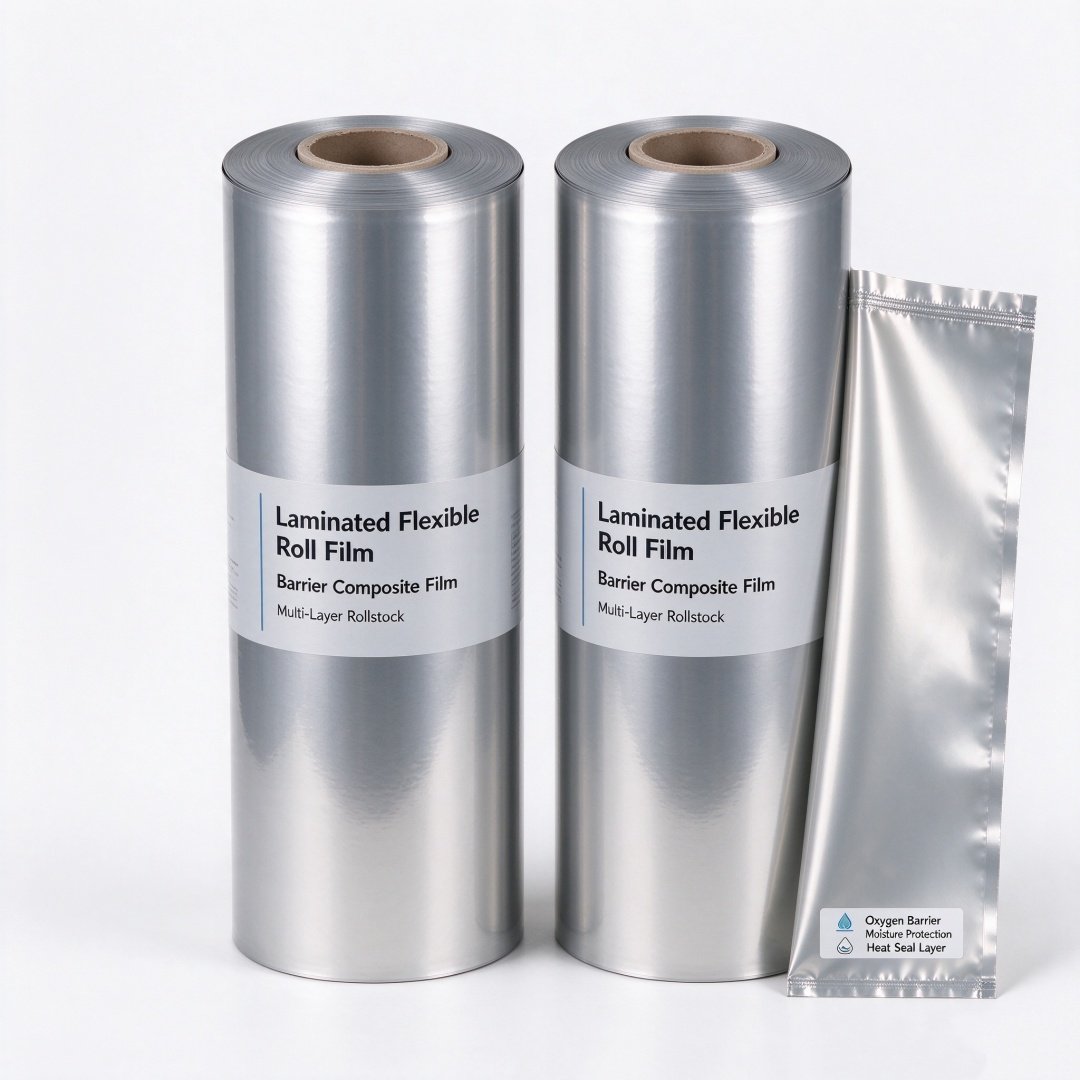
One of the less discussed strengths of good roll film is line stability. Packaging teams know that inconsistent seal strength, too much friction, or poor tensile strength can slow down an entire production shift. Quality roll film is calibrated with controlled COF, stable sealing windows and consistent thickness, so it runs smoothly even at high line speeds. Before committing to bulk orders, most experienced buyers request sample rolls to test on their own machinery — a small step that avoids costly surprises later on. Those producing sterilised food may also compare roll film options against our heavy-duty Retort Bag, built to withstand high-temperature retort processing.
Packaging roll film serves a wide spectrum of industries. It wraps snacks, powdered supplements, tea and coffee. It makes sachets for shampoo, detergent and cosmetic sample, making it a popular base material for Washing packaging. It protects pet food, frozen meals, hardware components and many other industrial items; brands selling animal feeds often pair custom printed roll film with ready-to-ship Pet Food Bag. Food-grade roll film follows strict compliance standards for direct food contact, while specialty grades offer anti-static, puncture-resistant or recyclable mono-material structures for brands moving toward more sustainable packaging roadmaps. For pharmaceutical and health products, we also supply compliant Medicine Bag options when pre-formed, secure packaging is required.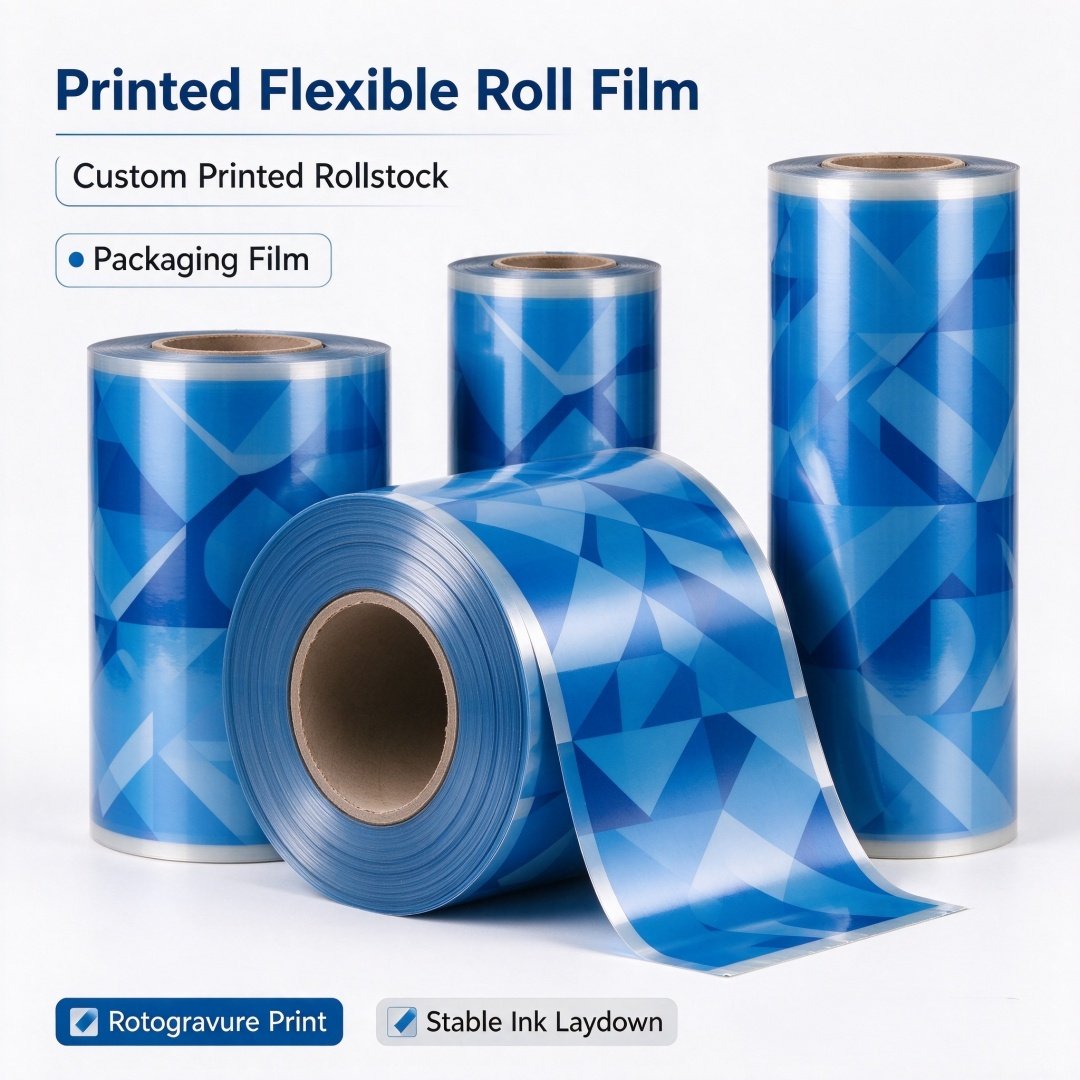
Of course, roll film is not the right fit for every business. It works best when a brand already operates or plans to invest in automated form-fill-seal equipment. For small runs without high-speed filling machines, pre-made pouches may be easier to manage. The choice hinges on production volume, shelf-life targets, available machinery and budget, rather than any universal “better” option.
As flexible packaging continues to evolve, roll film keeps adapting. New mono-material options, improved recyclability and lower-carbon laminates are entering the market, giving buyers more ways to align packaging performance with environmental goals. Even so, the core purpose stays unchanged: to deliver a dependable, efficient material that turns loose product into a sealed, protected package.
If you are reviewing packaging options for a new product line or looking to stabilise an existing filling run, it helps to start with three simple questions: what needs to be kept out (moisture, oxygen, light), what kind of filling machine will process the film, and what level of printing or transparency the shelf design requires. Once those points are clear, selecting the right roll film becomes far less confusing.
Packaging often stays invisible to end consumers, yet roll film is one of those quiet foundations. It keeps products safe in transit, lets brands tell their story on shelf, and keeps millions of packaging lines running steadily day after day.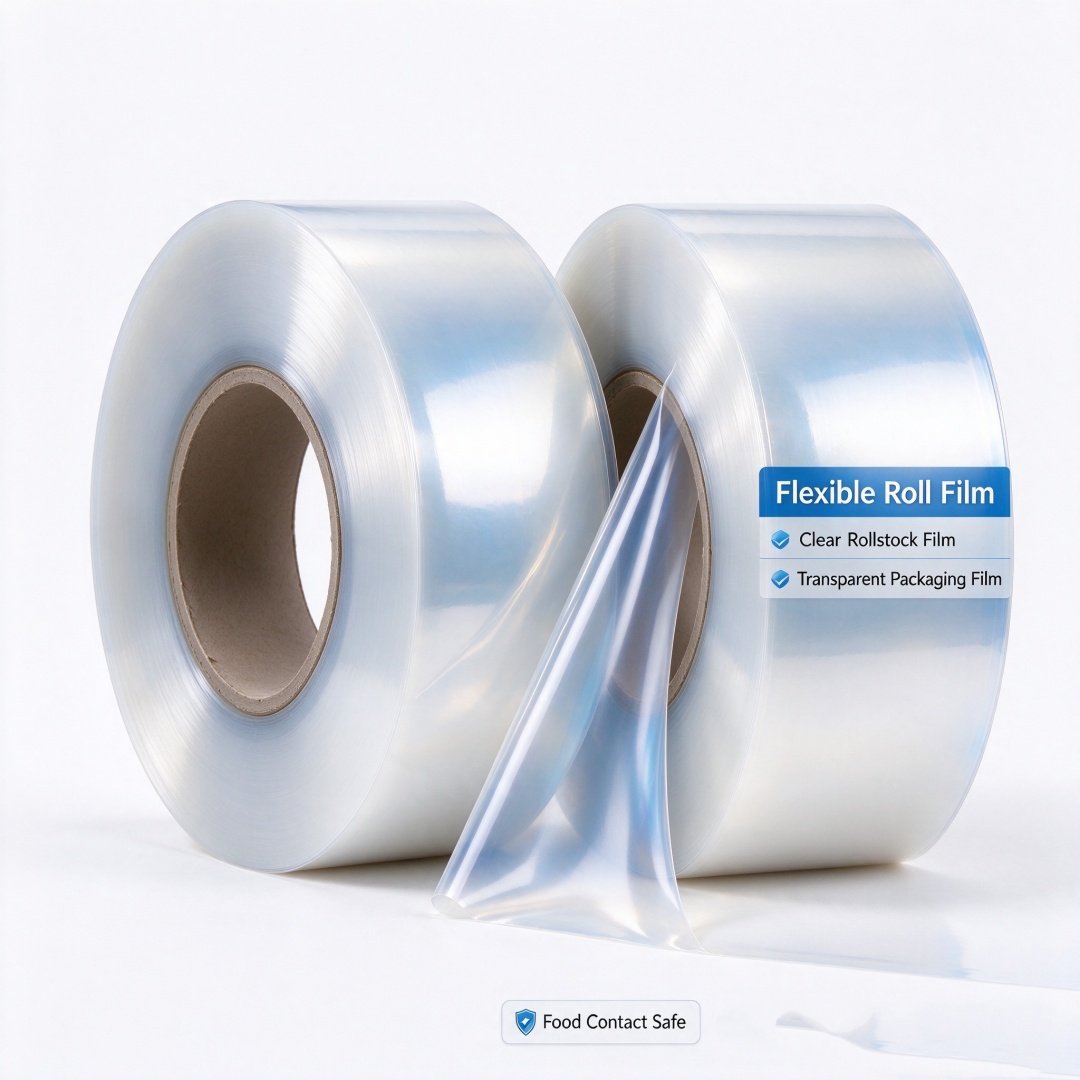
Short excerpt
Packaging roll film, or rollstock, is a continuous flexible web designed for automatic form-fill-seal packaging lines. With customizable barrier performance, heat-sealing properties and high-quality printing, it is widely used for snacks, powder, coffee, pet food and cosmetic sachets, helping brands boost line efficiency while protecting product freshness.
FAQ
What is roll film in packaging?
Roll film (rollstock) is continuous flexible film on a core, fed into FFS machines to form, fill and seal packages inline. It complements our range including Food Bags, Pet Food Bag, Retort Bag, Washing packaging, Kraft Paper Plastic Bag and Medicine Bag.
What is the difference between roll film and pre-made pouches?
Roll film forms the pouch on the filling line; pre-made pouches arrive already shaped and sealed on three sides, such as our Food Bags or Medicine Bag.
Can roll film be custom printed?
Yes, both rotogravure and digital printing are available for packaging roll film, the same printing service we offer for Kraft Paper Plastic Bag and Pet Food Bag.